 Bedding
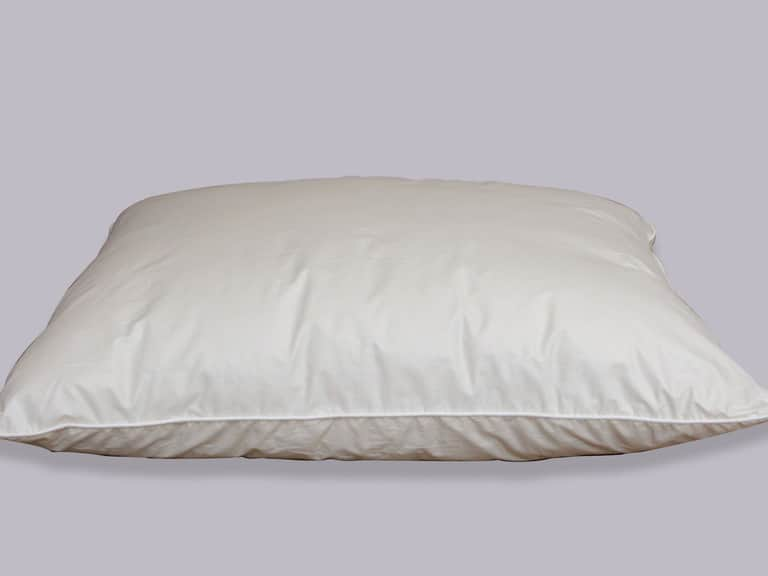
Alpaca and Wool Pillows
Experience cloud-like comfort with hypoallergenic alpaca and wool loft, wrapped in a soft, durable 500TC organic cotton cover for lasting support and easy breathing all night.
Wool, including alpaca-derived blends, offers natural temperature regulation, moisture management, and breathability, making it a versatile choice for bedding and nursery environments. Its unique fiber structure helps wick away moisture while maintaining warmth, supporting comfortable sleep across varying room conditions. Understanding fiber properties aids in selecting suitable wool products for year-round use.
In bedding, wool maintains a balanced microclimate by absorbing excess heat and releasing it when temperatures drop, which can reduce overheating and night sweats. Wool fibers also resist compression over time, helping pillows and comforters retain loft and support. This longevity makes wool a practical option for durable, long-term comfort.
For nursery settings, wool components provide gentle, hypoallergenic possibilities that suit sensitive skin. Alpaca wool, often softer than traditional sheep wool, can reduce irritation and offer a fluffier hand feel. Choosing certified, clean wool materials supports a healthier sleep surface for infants and young children during restful periods.
Key products in this category include Alpaca and Wool Pillows, which combine natural fiber fills with soft outer covers to support proper spinal alignment and head comfort. Features often highlight breathable cores, machine-washable fabrics, and resilience against flattening, ensuring consistent support through nightly use.
When evaluating wool-based bedding, consider fiber length, micron count, and fill power to gauge warmth, softness, and durability. Comforters and pillows that leverage wool’s insulating yet breathable characteristics can contribute to comfortable sleep environments, while nurseries benefit from hypoallergenic, temperature-regulating properties that align with safe, restorative rest.
Bedding