Exploring Andean Textile Traditions: Alpaca Fibers, Weaving, and Ethical Craft
A narrative journey through the fibers, looms, and ethical threads that bind Andean textiles to contemporary design, with a focus on alpaca, traditional techniques, and fair-trade collaborations.
Across the highlands and plateaus of the Andes, alpaca fiber has long served as the quiet heartbeat of textile culture. Its properties—finely aligned scales, natural temperature regulation, and a lightness that belies its warmth—have shaped centuries of weaving, dyeing, and social practice. The domain alpacalinens.com sits at an elegant crossroads: a digital space where scholarly curiosity meets tactile craft, where the study of fiber becomes a doorway to ethical craft and sustainable living.
Key themes
- Fiber properties of alpaca: fineness, warmth, moisture management, hypoallergenic tendencies.
- Andean weaving traditions: backstrap weaving, natural dyes, spinning, loom aesthetics.
- Ethical farming and sustainability: farmer–artisan collaborations, fair trade, and traceability.
- Modern reinterpretations: how contemporary makers adapt ancient methods for homes and travel.
Alpaca Fiber: Nature’s Quiet Luxury
Alpaca fiber has an almost spiritual reputation in the textile world: a softness that rivals cashmere, with warmth that stays light enough to drape over shoulders on a Andean wind day. Its hollow-core fibers trap air, creating insulation without bulk. The fiber’s scales are flat, reducing pitting and abrasion, which translates into longer-lasting textiles—garments, blankets, and linens that feel simultaneously delicate and durable.
Historically, alpaca herding in Peru and Bolivia shaped communities around annual harvests, spinning circles, and dye pits. The weaving that followed—whether on a backstrap loom in a family courtyard or a more industrial loom in a cooperative—carried knowledge, memory, and social bonds. In the modern era, ethical sourcing becomes not merely a regulatory label but a storytelling device: farmers and artisans sharing lineage, craft, and consent about how products reach houses around the world.
Andean Weaving Techniques: From Backstrap to Bold Rugs
Backstrap weaving, a portable studio of motion, teaches us how rhythm becomes structure. Weavers control warp tension with their bodies—shoulder, hip, and arm—producing fabrics with a living, responsive texture. Spinning, the art of turning fiber into thread, and natural dyeing—derived from cochineal, indigo, and native plants—evoke color palettes rooted in flora and seasonality.
The modern user encounters these techniques in decorative pillow covers, woven throws, and textiles that echo traditional motifs while embracing contemporary scale and restraint. The result is a quiet glamour: textiles that carry the memory of a loom’s breath and a craftsman’s care.
Ethics, Sustainability, and Fair Trade in Alpaca Production
Sustainability in alpaca production hinges on humane animal welfare, responsible grazing practices, and transparent supply chains. Fair-trade collaborations connect farmers with artisans and designers, ensuring that a portion of value is recirculated within Andean communities. The ethical thread—often invisible—threads through every stage of a product’s life, from fiber collection to weaving technique, from dye plant to domestic textile care.
Nonprofits and educational initiatives increasingly collaborate with local cooperatives to document practices, verify certifications, and provide classrooms for loom construction, fiber processing, and environmental stewardship. When a reader encounters a textile item in this context, they step into a broader conversation about identity, labor, and stewardship—how beauty travels and whom it travels with.
A Spotlight on Paracas Alpaca Cotton Knit Decorative Pillow Cover
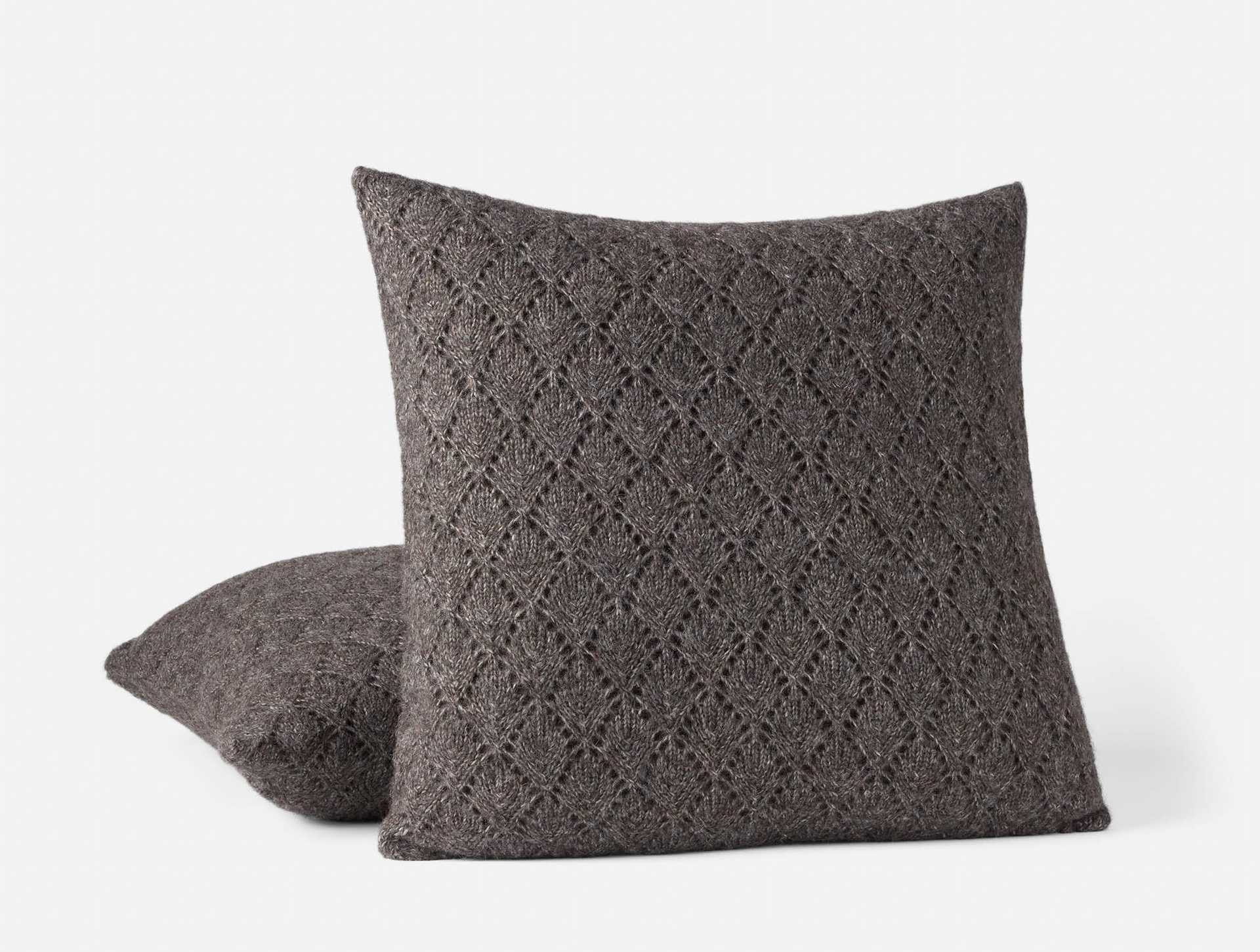
A concrete exemplar in the portfolio of modern Andean-inspired textiles, this decorative pillow cover blends alpaca and organic pima cotton with a baby alpaca lining for warmth and structure. Its openwork knit pattern, knife-edge finish, and invisible zipper present a refined, tailored surface that respects the tradition of hand weaving while embracing contemporary home styling.
In this piece, texture is medicine for the eye: a woven surface that invites touch, a baby alpaca lining that promises warmth, and an invisible zipper that preserves the surface’s clean line. The pillow cover becomes a microcosm of Andean craft in a modern living room.
Price: 148.00 USD
Threads of Time: Three Key Figures Across Eras
Ancient Weaving Master
An imagined but representative figure from pre-colonial Andean society who would have understood the loom as a second language—where the rhythm of the hand translates into patterns that tell stories of harvest, migration, and myth.
Era: Pre-Columbian to early colonial period
Collectors of Color: Dyesmiths
A lineage of artisans who transformed local flora—cochineal, indigo, and plant-based hues—into a spectrum that elevated Weaving from utility to portrait. Their craft fused botanical knowledge with subtle chemistry and textile artistry.
Era: 16th–18th centuries
Contemporary Weavewright: The Modern Artisan
A current-day designer or artisan who translates traditional backstrap weaving into modular throws, pillows, and textiles that fit modern palettes, while maintaining ethical sourcing and community collaboration.
Era: 21st century
Educational Resources and Teacher Guides
A core aim of this site is to educate without lecturing. Poised at the intersection of culture and science, the content offers glossaries, recommended readings, and museum or cultural-site itineraries that enrich classroom learning and personal curiosity alike. From fiber science to loom history, the reader experiences a guided tour through the textiles of the Andean world and their modern echoes.
- Glossaries that define fineness levels, fiber properties, and weave vernaculars.
- Interviews with artisans and scholars who illuminate craft techniques and ethics.
- Resources for teachers, including project ideas, reading lists, and field trip planning.
Care and Curation: Gentle Handling of Natural Fibers
A practical guide to caring for alpaca textiles and linen-like blends—how to wash, store, and refresh textiles without compromising texture or color. The emphasis remains on natural materials, mindful care, and long-lasting textiles that age with grace rather than degrade into disposable novelty.
Care instructions become moral instructions: they remind us that the life of a textile extends far beyond its moment of purchase, and that responsible stewardship is a value that travels with a product from the workshop to the living room.
Future Directions: The Alpacalinens Identity
The domain’s name invites a number of productive trajectories: an educational hub, a non-commercial guide to linens, or a curator of sustainable textile culture. This article has explored a path that treats alpaca textile practice as a living tradition, a source of scholarly inquiry, and a practical model for ethical consumerism. The social imagination that accompanies Andean textiles—careful farming, artisanal technique, and a global audience immersed in mindful consumption—offers fertile ground for ongoing storytelling and community engagement.
As alpacalinens.com continues to grow, the site can annotate products in a way that foregrounds ethics and provenance, while using a voice reminiscent of The New Yorker: precise, cultured, and gently illuminate the complexities of culture, craft, and commerce.
Selected Product Illustration
To ground the narrative in tangible craft, we reference a standout item from the curated product set: Paracas Alpaca Cotton Knit Decorative Pillow Cover. This piece embodies the blend of traditional technique and modern design discussed above. The pillow cover is knit in Peru from a luxurious alpaca-organic cotton blend and lined with baby alpaca for warmth and structure. Its openwork knit pattern and knife-edge finish exemplify how a traditional hand—now with a designer’s eye—can produce a clean, tailored surface suitable for contemporary interiors.
Paracas Alpaca Cotton Knit Decorative Pillow Cover
Brand: Coyuchi | Material: Alpaca + Organic Pima Cotton | Lining: Baby Alpaca
A pillow cover whose texture invites touch, its subtle knitting pattern evokes the eyelet techniques of Andean weaving. The knife-edge construction preserves a crisp surface while the internal lining adds warmth and loft.
Price: 148.00 USD