Bed covers provide a versatile layer for temperature regulation, aesthetics, and comfort in sleep spaces. They function as an upper layer that can protect bedding, reduce draft exposure, and contribute to room ambiance. Materials such as natural fibers offer breathability, moisture management, and softness that can support restorative rest and daily cleanliness.
In the bed cover category, natural textiles and blended fabrics are commonly highlighted for durability and comfort. Key features to consider include fiber origin, weave type, thread count, weight, and finish. These elements influence warmth, drape, and ease of care, helping to align sleep environments with seasonal changes and personal preferences.
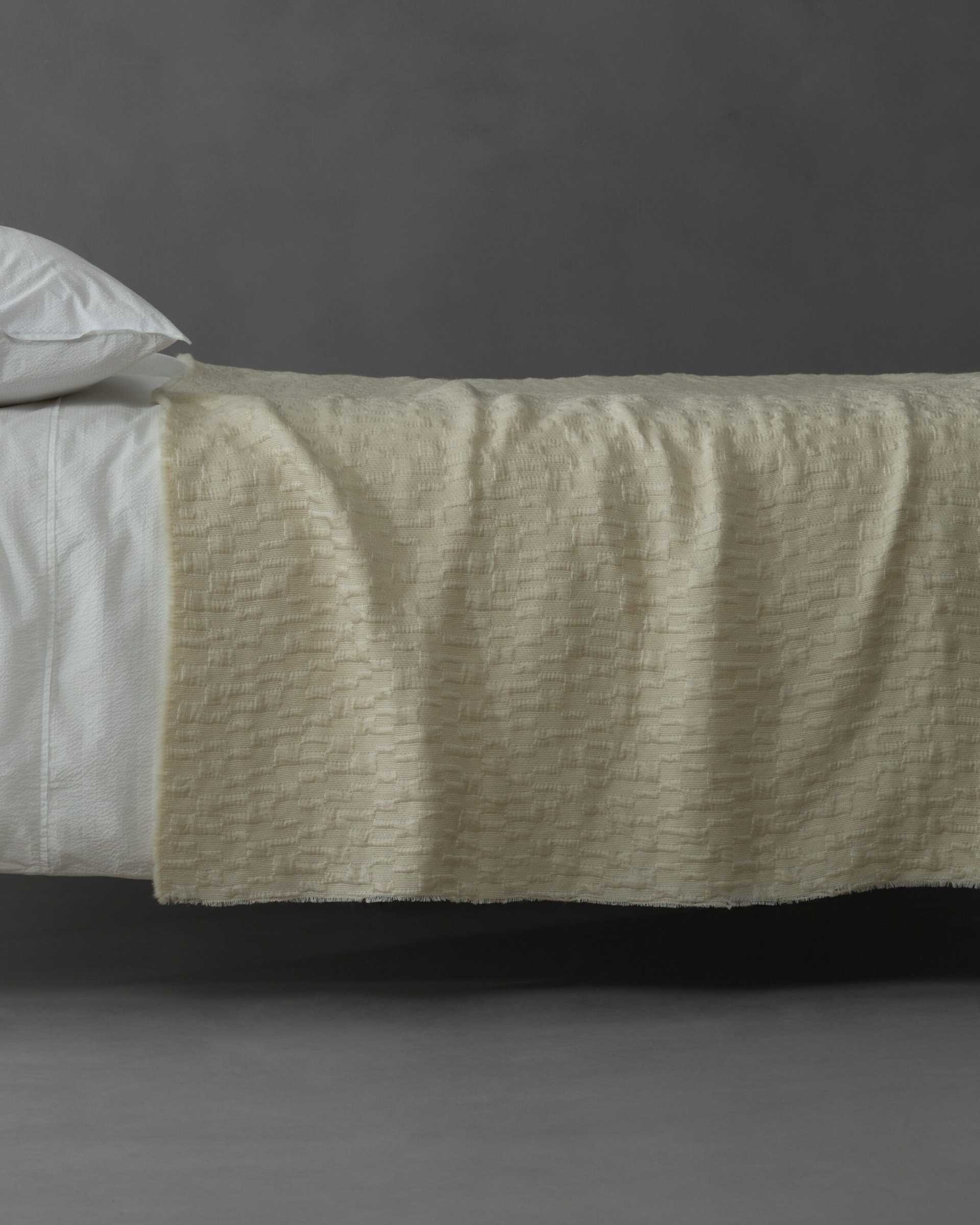
The Layal Bedcover exemplifies how design, function, and material science converge in bed coverings. It may feature a balanced weight for year-round use, a smooth surface for easy layering with sheets, and inherent insulating properties. Understanding its fibers and construction aids in selecting appropriate bedding configurations for different rooms.
Aside from warmth and aesthetic coordination, bed covers contribute to hygiene and maintenance routines. Hypoallergenic fibers, moisture-wicking properties, and machine-washable options offer practical benefits for regular cleaning and long-term durability. Knowledge of care instructions supports longevity and sustained comfort in sleeping environments.
Within a bedding context, keywords such as bedding, pillows, nursery, comforters, and wool comforters reflect the interconnected uses of bed coverings. Selecting appropriate textures and weights for nurseries, guest rooms, and main bedrooms helps tailor sleep spaces to individual comfort needs and seasonal temperature variations.
 Bedding